Advocate of the High Court of South Africa – The Advocate’s Profession in South Africa


Let us ask advocate Muhammad Abduroaf a few questions

[caption id="attachment_8831" align="alignleft" width="243"]Advocate High Court - Gauteng Johannesburg Eastern Cape High Court (Bhisho)
Free State High Court (Bloemfontein)
Western Cape High Court (Cape Town)
KwaZulu-Natal High Court (Durban)
Eastern Cape High Court (Grahamstown)
South Gauteng High Court (Johannesburg)
Northern Cape High Court (Kimberley)
KwaZulu-Natal High Court (Pietermaritzburg)
Eastern Cape High Court (Port Elizabeth)
North Gauteng High Court (Pretoria)
Limpopo High Court (Thohoyandou)
Eastern Cape High Court (Mthatha)
North West High Court, Mafikeng (Mmabatho) and
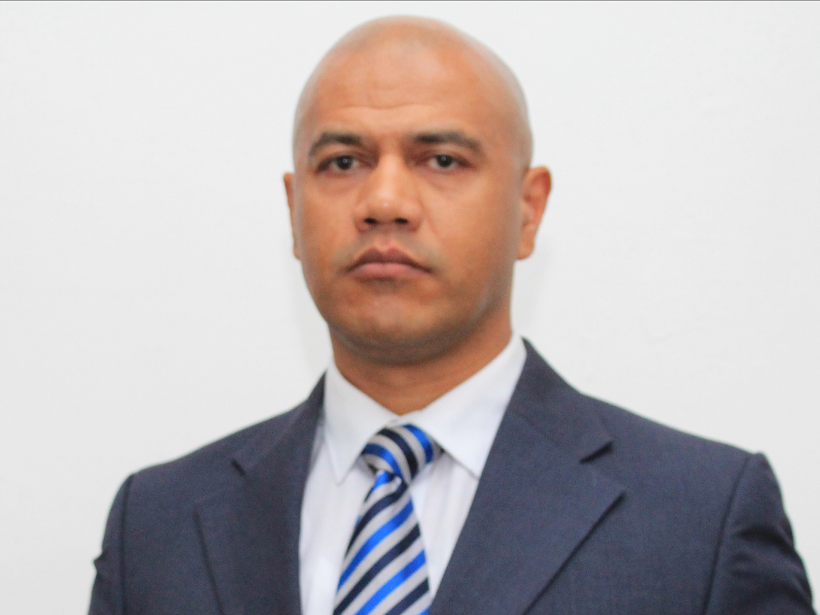
Polokwane Circuit Court of the North Gauteng High Court, Pretoria[/caption] South African law has recently changed when it comes to advocates. Now it is possible for advocates to obtain trust accounts which were impossible in the past. By doing so, they would be allowed to take instructions directly from the public. In other words, the client does not first need to see an attorney. Here the Legal Practice Act No. 28 of 2014 comes into play. More than a year has elapsed since the Act has been operating in full swing.   Further below, we tapped into the experience of Advocate Muhammad Abduroaf, a practising advocate of the High Court of South Africa. He gives us some insight into the advocate profession. Although his office is located in Cape Town, he appeared and represented clients in other towns and provinces as well.  

What is the difference between an advocate and an attorney?

Both advocates and attorneys are lawyers or legal practitioners. In simple terms, the attorney is seen as a general practitioner, and an advocate is a specialist. This is however not always the case. Many attorneys now appear in the High Court, and as stated, advocates may obtain trust accounts. The development where an attorney can now appear in the High Court came into existence some years ago. Usually, on TV, you would see the advocate wearing the black robe and the attorney in the smart suit next to him or her.  

What type of work do advocates do?

  Generally, advocates practice in the Higher Courts of South Africa. Here we refer to the High Courts, Supreme Court of Appeal, and the main one, the Constitutional Court. The Attorney would be the one who would do the groundwork, and if need be, instruct the advocate to attend to the more complicated aspects of the case. For example, the advocate would be drafting pleadings, or affidavits, and attending to arguing the matter before a judge and so on. Not to say the other aspects of litigation are not difficult; the latter items are however best suited for advocates to attend to.  

Do advocates give legal opinions on legal matters?

  Advocates would furthermore also be asked to give their legal opinion on a legal matter. An attorney would usually meet with his or her client and discuss the problem at hand, and thereafter instruct an advocate to give his view on the matter. For example, if a client wants to know the prospects of success in a given legal case. The advocate would then spend time researching the law and finding answers to the legal issue at hand. Here again, this type of work would be best suited for an advocate. [caption id="attachment_8825" align="alignleft" width="159"]Advocate High Court - Gauteng Johannesburg Eastern Cape High Court (Bhisho)
Free State High Court (Bloemfontein)
Western Cape High Court (Cape Town)
KwaZulu-Natal High Court (Durban)
Eastern Cape High Court (Grahamstown)
South Gauteng High Court (Johannesburg)
Northern Cape High Court (Kimberley)
KwaZulu-Natal High Court (Pietermaritzburg)
Eastern Cape High Court (Port Elizabeth)
North Gauteng High Court (Pretoria)
Limpopo High Court (Thohoyandou)
Eastern Cape High Court (Mthatha)
North West High Court, Mafikeng (Mmabatho) and
Polokwane Circuit Court of the North Gauteng High Court, Pretoria[/caption]

Where are the High Courts in South Africa?

  In South Africa, we have 14 (fourteen) divisions of the High Court. They are as follows  

Eastern Cape High Court (Bhisho)

Free State High Court (Bloemfontein)

Western Cape High Court (Cape Town)

KwaZulu-Natal High Court (Durban)

Eastern Cape High Court (Grahamstown)

South Gauteng High Court (Johannesburg)

Northern Cape High Court (Kimberley)

KwaZulu-Natal High Court (Pietermaritzburg)

Eastern Cape High Court (Port Elizabeth)

North Gauteng High Court (Pretoria)

Limpopo High Court (Thohoyandou)

Eastern Cape High Court (Mthatha)

North West High Court, Mafikeng (Mmabatho) and

Polokwane Circuit Court of the North Gauteng High Court, Pretoria

There is also circuit court.


Do advocates appear in the Magistrate’s Court?

Furthermore, advocates also appear in the lower courts. For example, the Magistrates’ Court, Maintenance Court, Children’s Court and so on. Many times, complicated issues arise in matters that are adjudicated in the Magistrate’s Court. For example, big corporates fighting over an issue that is best suited for the Magistrate’s Court. In those cases, it would be prudent to instruct and advocate with the necessary experience and skills. [caption id="attachment_8830" align="alignleft" width="130"]Advocate High Court - Gauteng Johannesburg Eastern Cape High Court (Bhisho)
Free State High Court (Bloemfontein)
Western Cape High Court (Cape Town)
KwaZulu-Natal High Court (Durban)
Eastern Cape High Court (Grahamstown)
South Gauteng High Court (Johannesburg)
Northern Cape High Court (Kimberley)
KwaZulu-Natal High Court (Pietermaritzburg)
Eastern Cape High Court (Port Elizabeth)
North Gauteng High Court (Pretoria)
Limpopo High Court (Thohoyandou)
Eastern Cape High Court (Mthatha)
North West High Court, Mafikeng (Mmabatho) and
Polokwane Circuit Court of the North Gauteng High Court, Pretoria[/caption]

Do advocates do criminal work?

If there is a criminal matter pending in the High Court, usually an advocate would be briefed to attend to it. However, as stated, some attorneys have rights of appearance in the High Court. Advocates would usually attend to criminal matters in the Magistrates’ Court as well. This would either be District Court matters, or Regional Court matters. As you would have guessed, the High Court would deal with more serious offences.  

We would like to hear from Advocate Muhammad Abduroaf

  We asked advocate Muhammad Abduroaf, a practising advocate of the High Court of South Africa some questions regarding the advocate’s profession. He has over a decade and a half of litigation experience.  

Legal Experience:

Our Lawyer: When were you admitted as an advocate of the High Court of South Africa? Advocate Abduroaf: I was admitted as an advocate of the High Court of South Africa in 2003. It feels like yesterday when the Judge President and Deputy Judge President of the Western Cape High Court admitted me. That time, it was still called the Cape of Good Hope Provincial Division of the High Court. [caption id="attachment_8828" align="alignleft" width="140"]Advocate High Court - Gauteng Johannesburg Eastern Cape High Court (Bhisho)
Free State High Court (Bloemfontein)
Western Cape High Court (Cape Town)
KwaZulu-Natal High Court (Durban)
Eastern Cape High Court (Grahamstown)
South Gauteng High Court (Johannesburg)
Northern Cape High Court (Kimberley)
KwaZulu-Natal High Court (Pietermaritzburg)
Eastern Cape High Court (Port Elizabeth)
North Gauteng High Court (Pretoria)
Limpopo High Court (Thohoyandou)
Eastern Cape High Court (Mthatha)
North West High Court, Mafikeng (Mmabatho) and
Polokwane Circuit Court of the North Gauteng High Court, Pretoria[/caption]

Our Lawyer: What are your academic qualifications

Advocate Abduroaf: I hold an LL.B and an LL.M (Master of Laws), both from the University of the Western Cape. However, to become an advocate, you only require an LL.B.  

Our Lawyer: What do you believe are the qualities required to become an advocate?

Advocate Abduroaf: I think hard work and dedication is the key recipe to be a good advocate. One thing for sure, you cannot be lazy. You will not make it out there if you are.  

Our Lawyer: Is it hard practising as an advocate?

Advocate Abduroaf? Initially, it was very challenging. As you gain more experience, it becomes easier. It’s like anything in life, the more you focus on perfecting it, the easier it gets. There are still times when I am faced with a challenging case. I then dig deep and do my best.   Our Lawyer: How do you cope with being an advocate? Advocate Abduroaf. Firstly, I try to live a balanced life. Focusing on various aspects of life, and not only work. As an advocate, your most valued tool is your mind. If your mind is not sharp, you would be disadvantaged. I, therefore, try to keep fit and live a healthy balanced lifestyle.  

Our Lawyer: Are there cases you do not like to do?

Advocate Abduroaf: I love the law and enjoy practising it. However, there are times when you are faced with challenges. For example, the case that comes to you is in a mess, or your client has a week case, but still wishes to proceed. In such a case, things become challenging as you will most of the time be on the back-foot. [caption id="attachment_8827" align="alignleft" width="121"]Advocate High Court - Gauteng Johannesburg Advocate High Court – Gauteng JohannesburgEastern Cape High Court (Bhisho)
Free State High Court (Bloemfontein)
Western Cape High Court (Cape Town)
KwaZulu-Natal High Court (Durban)
Eastern Cape High Court (Grahamstown)
South Gauteng High Court (Johannesburg)
Northern Cape High Court (Kimberley)
KwaZulu-Natal High Court (Pietermaritzburg)
Eastern Cape High Court (Port Elizabeth)
North Gauteng High Court (Pretoria)
Limpopo High Court (Thohoyandou)
Eastern Cape High Court (Mthatha)
North West High Court, Mafikeng (Mmabatho) and
Polokwane Circuit Court of the North Gauteng High Court, Pretoria
clients in other cities or provinces?[/caption] Advocate Abduroaf: If the need arises and the client is willing to pay for the additional costs, then I would be happy to attend to matters in courts outside of Cape Town. Depending on where the court is situated, I would either fly down the morning or fly the night before.  

Our Lawyer: Any last words for aspiring advocates out there?

Advocate Abduroaf: Work hard, focus, and keep your head down and don’t look around. The next thing you know, you will be the best out there. Eastern Cape High Court (Bhisho) Free State High Court (Bloemfontein) Western Cape High Court (Cape Town) KwaZulu-Natal High Court (Durban) Eastern Cape High Court (Grahamstown) South Gauteng High Court (Johannesburg) Northern Cape High Court (Kimberley) KwaZulu-Natal High Court (Pietermaritzburg) Eastern Cape High Court (Port Elizabeth) North Gauteng High Court (Pretoria) Limpopo High Court (Thohoyandou) Eastern Cape High Court (Mthatha) North West High Court, Mafikeng (Mmabatho) and Polokwane Circuit Court of the North Gauteng High Court, Pretoria  

Advocate of the High Court of South Africa – The Advocate’s Profession in South Africa


Let us ask advocate Muhammad Abduroaf a few questions

Advocate High Court - Gauteng Johannesburg
Eastern Cape High Court (Bhisho)
Free State High Court (Bloemfontein)
Western Cape High Court (Cape Town)
KwaZulu-Natal High Court (Durban)
Eastern Cape High Court (Grahamstown)
South Gauteng High Court (Johannesburg)
Northern Cape High Court (Kimberley)
KwaZulu-Natal High Court (Pietermaritzburg)
Eastern Cape High Court (Port Elizabeth)
North Gauteng High Court (Pretoria)
Limpopo High Court (Thohoyandou)
Eastern Cape High Court (Mthatha)
North West High Court, Mafikeng (Mmabatho) and
Polokwane Circuit Court of the North Gauteng High Court, Pretoria

South African law has recently changed when it comes to advocates. Now it is possible for advocates to obtain trust accounts which were impossible in the past. By doing so, they would be allowed to take instructions directly from the public. In other words, the client does not first need to see an attorney. Here the Legal Practice Act No. 28 of 2014 comes into play. More than a year has elapsed since the Act has been operating in full swing.


Further below, we tapped into the experience of Advocate Muhammad Abduroaf, a practising advocate of the High Court of South Africa. He gives us some insight into the advocate profession. Although his office is located in Cape Town, he appeared and represented clients in other towns and provinces as well.


What is the difference between an advocate and an attorney?

Both advocates and attorneys are lawyers or legal practitioners. In simple terms, the attorney is seen as a general practitioner, and an advocate is a specialist. This is however not always the case. Many attorneys now appear in the High Court, and as stated, advocates may obtain trust accounts. The development where an attorney can now appear in the High Court came into existence some years ago. Usually, on TV, you would see the advocate wearing the black robe and the attorney in the smart suit next to him or her.


What type of work do advocates do?


Generally, advocates practice in the Higher Courts of South Africa. Here we refer to the High Courts, Supreme Court of Appeal, and the main one, the Constitutional Court. The Attorney would be the one who would do the groundwork, and if need be, instruct the advocate to attend to the more complicated aspects of the case. For example, the advocate would be drafting pleadings, or affidavits, and attending to arguing the matter before a judge and so on. Not to say the other aspects of litigation are not difficult; the latter items are however best suited for advocates to attend to.


Do advocates give legal opinions on legal matters?


Advocates would furthermore also be asked to give their legal opinion on a legal matter. An attorney would usually meet with his or her client and discuss the problem at hand, and thereafter instruct an advocate to give his view on the matter. For example, if a client wants to know the prospects of success in a given legal case. The advocate would then spend time researching the law and finding answers to the legal issue at hand. Here again, this type of work would be best suited for an advocate.
Advocate High Court - Gauteng Johannesburg
Eastern Cape High Court (Bhisho)
Free State High Court (Bloemfontein)
Western Cape High Court (Cape Town)
KwaZulu-Natal High Court (Durban)
Eastern Cape High Court (Grahamstown)
South Gauteng High Court (Johannesburg)
Northern Cape High Court (Kimberley)
KwaZulu-Natal High Court (Pietermaritzburg)
Eastern Cape High Court (Port Elizabeth)
North Gauteng High Court (Pretoria)
Limpopo High Court (Thohoyandou)
Eastern Cape High Court (Mthatha)
North West High Court, Mafikeng (Mmabatho) and
Polokwane Circuit Court of the North Gauteng High Court, Pretoria

Where are the High Courts in South Africa?


In South Africa, we have 14 (fourteen) divisions of the High Court. They are as follows


Eastern Cape High Court (Bhisho)

Free State High Court (Bloemfontein)

Western Cape High Court (Cape Town)

KwaZulu-Natal High Court (Durban)

Eastern Cape High Court (Grahamstown)

South Gauteng High Court (Johannesburg)

Northern Cape High Court (Kimberley)

KwaZulu-Natal High Court (Pietermaritzburg)

Eastern Cape High Court (Port Elizabeth)

North Gauteng High Court (Pretoria)

Limpopo High Court (Thohoyandou)

Eastern Cape High Court (Mthatha)

North West High Court, Mafikeng (Mmabatho) and

Polokwane Circuit Court of the North Gauteng High Court, Pretoria

There is also circuit court.


Do advocates appear in the Magistrate’s Court?

Furthermore, advocates also appear in the lower courts. For example, the Magistrates’ Court,

Maintenance Court, Children’s Court and so on. Many times, complicated issues arise in matters that are adjudicated in the Magistrate’s Court. For example, big corporates fighting over an issue that is best suited for the Magistrate’s Court. In those cases, it would be prudent to instruct and advocate with the necessary experience and skills.
Advocate High Court - Gauteng Johannesburg
Eastern Cape High Court (Bhisho)
Free State High Court (Bloemfontein)
Western Cape High Court (Cape Town)
KwaZulu-Natal High Court (Durban)
Eastern Cape High Court (Grahamstown)
South Gauteng High Court (Johannesburg)
Northern Cape High Court (Kimberley)
KwaZulu-Natal High Court (Pietermaritzburg)
Eastern Cape High Court (Port Elizabeth)
North Gauteng High Court (Pretoria)
Limpopo High Court (Thohoyandou)
Eastern Cape High Court (Mthatha)
North West High Court, Mafikeng (Mmabatho) and
Polokwane Circuit Court of the North Gauteng High Court, Pretoria

Do advocates do criminal work?

If there is a criminal matter pending in the High Court, usually an advocate would be briefed to attend to it. However, as stated, some attorneys have rights of appearance in the High Court. Advocates would usually attend to criminal matters in the Magistrates’ Court as well. This would either be District Court matters, or Regional Court matters. As you would have guessed, the High Court would deal with more serious offences.


We would like to hear from Advocate Muhammad Abduroaf


We asked advocate Muhammad Abduroaf, a practising advocate of the High Court of South Africa some questions regarding the advocate’s profession. He has over a decade and a half of litigation experience.


Legal Experience:

Our Lawyer: When were you admitted as an advocate of the High Court of South Africa?

Advocate Abduroaf: I was admitted as an advocate of the High Court of South Africa in 2003. It feels like yesterday when the Judge President and Deputy Judge President of the Western Cape High Court admitted me. That time, it was still called the Cape of Good Hope Provincial Division of the High Court.

Advocate High Court - Gauteng Johannesburg
Eastern Cape High Court (Bhisho)
Free State High Court (Bloemfontein)
Western Cape High Court (Cape Town)
KwaZulu-Natal High Court (Durban)
Eastern Cape High Court (Grahamstown)
South Gauteng High Court (Johannesburg)
Northern Cape High Court (Kimberley)
KwaZulu-Natal High Court (Pietermaritzburg)
Eastern Cape High Court (Port Elizabeth)
North Gauteng High Court (Pretoria)
Limpopo High Court (Thohoyandou)
Eastern Cape High Court (Mthatha)
North West High Court, Mafikeng (Mmabatho) and
Polokwane Circuit Court of the North Gauteng High Court, Pretoria

Our Lawyer: What are your academic qualifications

Advocate Abduroaf: I hold an LL.B and an LL.M (Master of Laws), both from the University of the Western Cape. However, to become an advocate, you only require an LL.B.


Our Lawyer: What do you believe are the qualities required to become an advocate?

Advocate Abduroaf: I think hard work and dedication is the key recipe to be a good advocate. One thing for sure, you cannot be lazy. You will not make it out there if you are.


Our Lawyer: Is it hard practising as an advocate?

Advocate Abduroaf? Initially, it was very challenging. As you gain more experience, it becomes easier. It’s like anything in life, the more you focus on perfecting it, the easier it gets. There are still times when I am faced with a challenging case. I then dig deep and do my best.


Our Lawyer: How do you cope with being an advocate?

Advocate Abduroaf. Firstly, I try to live a balanced life. Focusing on various aspects of life, and not only work. As an advocate, your most valued tool is your mind. If your mind is not sharp, you would be disadvantaged. I, therefore, try to keep fit and live a healthy balanced lifestyle.


Our Lawyer: Are there cases you do not like to do?

Advocate Abduroaf: I love the law and enjoy practising it. However, there are times when you are faced with challenges. For example, the case that comes to you is in a mess, or your client has a week case, but still wishes to proceed. In such a case, things become challenging as you will most of the time be on the back-foot.

Advocate High Court - Gauteng Johannesburg
Advocate High Court – Gauteng JohannesburgEastern Cape High Court (Bhisho)
Free State High Court (Bloemfontein)
Western Cape High Court (Cape Town)
KwaZulu-Natal High Court (Durban)
Eastern Cape High Court (Grahamstown)
South Gauteng High Court (Johannesburg)
Northern Cape High Court (Kimberley)
KwaZulu-Natal High Court (Pietermaritzburg)
Eastern Cape High Court (Port Elizabeth)
North Gauteng High Court (Pretoria)
Limpopo High Court (Thohoyandou)
Eastern Cape High Court (Mthatha)
North West High Court, Mafikeng (Mmabatho) and
Polokwane Circuit Court of the North Gauteng High Court, Pretoria

clients in other cities or provinces?

Advocate Abduroaf: If the need arises and the client is willing to pay for the additional costs, then I would be happy to attend to matters in courts outside of Cape Town. Depending on where the court is situated, I would either fly down the morning or fly the night before.


Our Lawyer: Any last words for aspiring advocates out there?

Advocate Abduroaf: Work hard, focus, and keep your head down and don’t look around. The next thing you know, you will be the best out there.

Eastern Cape High Court (Bhisho)
Free State High Court (Bloemfontein)
Western Cape High Court (Cape Town)
KwaZulu-Natal High Court (Durban)
Eastern Cape High Court (Grahamstown)
South Gauteng High Court (Johannesburg)
Northern Cape High Court (Kimberley)
KwaZulu-Natal High Court (Pietermaritzburg)
Eastern Cape High Court (Port Elizabeth)
North Gauteng High Court (Pretoria)
Limpopo High Court (Thohoyandou)
Eastern Cape High Court (Mthatha)
North West High Court, Mafikeng (Mmabatho) and
Polokwane Circuit Court of the North Gauteng High Court, Pretoria


Related Post

Relocation with my minor child to United States, New York City (Consent and Refusal) – Advocate Muhammad Abduroaf

The world is becoming a much smaller place, and technology plays a huge role. People are moving across the world for employment, love and happiness, something that was not the norm a few decades ago. There is no reason why you should remain in South Africa if you can find a better life for yourself and your family overseas. Moving overseas may provide you with the quality of life you want or the possibility of experiencing things you always wanted. The same applies to your child or children relocating with you.

Relocation of your minor child to New York City, United States

If you are single and do not have any minor children, then moving around the world would not be too complicated. All you need to do is ensure that you have the necessary travel documentation and travel ticket (and spending money), and off you go. However, if you want to travel with your minor children (for example, ages five or six) or relocate to another country, things may not be that simple. Firstly, if there is another parent, and he or she has parental responsibilities and rights, then his or her consent is required. For example, let us say you live in King William’s Town or Parys, South Africa, and you want to relocate to New York City, United States, you would require the other parent’s consent to leave South Africa with your minor child. This can cause challenges, especially if the staying parent (in South Africa) does not agree to the relocation.

What about Passport Consent to travel or relocate to New York City, United States?

The same applies when it comes to your minor child applying for a South African passport to relocate to United States, or any country. Both parents who have parental responsibilities and rights of guardianship will have to consent to the minor child’s passport application as well. In this regard, both parents have to be at the Department of Home Affairs (or the relevant bank that also assists with passport application) when making the Application with the minor child. This can be challenging if you have a disinterested parent who does not want to cooperate with the passport application. As you will see later, legal action would need to be taken.

What are the steps to follow when I want to relocate to New York City, United States with my minor child? There is another parent.

To simplify the process for relocation, the first step would be to receive the other parent’s consent in principle for the relocation and that he or she will co-operate in this regard. Once that has been resolved, the parent relocating would need to make the appointment for the minor child’s passport application as well as the application for the relevant VISA. Each country has different requirements; however, seeing that it is a relocation, you need to apply for the correct VISA. For that, you need the Passport. Once the visa and travel arrangements have been finalised, the parent remaining behind will sign a parental consent letter for the international travel. That letter can be found on the Department of Home Affairs website. Basically, the parent remaining behind would state that he or she gives consent for the minor child to leave the Republic of South Africa and travel and/or relocate to New York City, United States.

What can I do if the other parent does not want to consent to the minor child’s relocation to New York City, United States?

If the parent remaining in South Africa does not want to consent to the minor child’s passport application and/or his or her relocation to New York City, United States, then you would need to approach the Court. The Court, as upper guardian of the minor child, may order that the parent’s consent for the passport application and relocation be dispensed with. What this entails is submitting Court documents explaining why you want to relocate to New York City, United States. The other parent would also have an opportunity to give reasons why he or she objects. At the end of the process, the Court would determine what is in the minor child’s best interests. If it is in the minor child’s best interests to relocate to New York City, United States, the Court would make it possible despite the issue of consent or refusal.

What is the first step I should take if the other parent does not want to consent to the minor child’s passport application and/or relocation to New York City, United States?

If the other parent does not want to consent to the passport application and/or the relocation of the minor child to New York City, United States – in that case, we suggest you approach an attorney or advocate (trust account) to assist you with the legal process. He or she would then contact the other parent explaining the reasons for the relocation and request the necessary consent. If the parent remaining in South Africa does still not agree to the passport application and/or to the relocation to New York City, United States, then the attorney or advocate will proceed to take the matter to court. The legal route can be expensive. However, it is necessary to make the relocation of the minor child possible. You may also attend to the legal process yourself.

Getting legal assistance or help with your relocation application to New York City, United States

If you require legal assistance or representation with relocating to New York City, United States due to the other parent not cooperating or providing consent, then feel free to contact us for assistance. The Firm Advocate, Muhammad Abduroaf, deals with these types of matters.

Do you require a video legal advice consultation?

Click here and schedule one today!