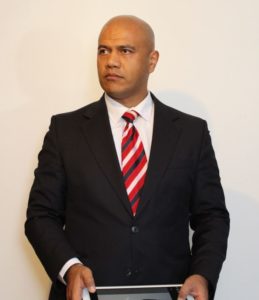
Advocate Muhammad Abduroaf – Trust Account Advocate – Best Top Legal Practitioners (Advocate Attorney) Child Custody Maintenance Custody Divorce Relocation Passport Consent High Court
Family Law Service – Advocate Muhammad Abduroaf – Finding the best lawyer for you.
 Choosing the right law firm (Attorney or Advocate) can be a daunting task in the intricate landscape of legal matters. Whether you’re facing a complex litigation case, navigating corporate law, or seeking legal assistance for personal issues, the decision of which law firm to engage is crucial. At the firm Advocate Muhammad Abduroaf, we understand the significance of this decision, and we aim to demonstrate why choosing our firm can make all the difference.
Expertise and Specialisation
One of the primary reasons for choosing our law firm is our expertise and specialisation in diverse legal areas. As you can see from this website, Advocate Muhammad Abduroaf practices in various fields of law. This breadth of expertise ensures that no matter the nature of your legal issue, you will have access to knowledgeable and experienced professionals who can provide tailored solutions.Personalised Approach
We recognise that every client and every case is unique. That’s why we prioritise a personalised approach to legal representation. From the moment you engage our services, we take the time to understand your specific needs, concerns, and objectives. This allows us to develop strategies and solutions customised to your circumstances, ensuring the best possible outcome for your case.Commitment to Excellence
At Advocate Muhammad Abduroaf, excellence is not just a goal – it’s our standard. We are committed to providing our clients with the highest quality legal services, characterized by thorough research, meticulous attention to detail, and strategic thinking. Our track record of success speaks for itself, with numerous satisfied clients who have benefited from our dedication to excellence.Responsive and Accessible
Legal matters can be stressful and overwhelming, so we prioritise responsiveness and accessibility. Our team is readily available to address your questions, concerns, and needs throughout your case. Whether you prefer to communicate via phone, WhatsApp, email, or in-person meetings, we are here to provide you with the support and guidance you need when you need it.Cost-Effective Solutions
Legal representation shouldn’t break the bank. That’s why we are committed to providing cost-effective solutions that deliver value for our clients. We offer transparent billing practices and strive to minimise unnecessary expenses wherever possible, ensuring you receive top-notch legal services without the hefty price tag.Ethical and Professional Conduct
Integrity and ethics are at the core of everything we do. Our team adheres to the highest standards of professional conduct, ensuring your case is handled with the utmost integrity, honesty, and discretion. You can trust that your legal matters will be handled with care and respect, and your confidentiality will always be protected. In conclusion, choosing the right law firm can significantly impact the outcome of your legal matters. At Advocate Muhammad Abduroaf, we offer expertise, specialisation, personalised service, commitment to excellence, responsiveness, cost-effective solutions, and ethical conduct. These qualities set us apart and make us the ideal choice for clients seeking top-notch legal representation. Contact us today to learn how we can assist you with your legal needs. If you require an Advocate Law Firm to assist you in your legal matter, feel free to contact us using the following details:- Tel.: 021 111 0090
- Email.: [email protected]
The Firm: Advocate Muhammad Abduroaf
Trust Account Advocate. Advocate Muhammad Abduroaf is a registered firm with the Legal Practice Council of South Africa. It holds offices in Cape Town. However represents clients all over South Africa. If required, he would travel out to your province to attend to you matter. Advocate Muhammad Abduroaf is a Trust Account practice, which means it may take instructions directly from members of the public. This is compared to referral advocates who may not take instructions directly from members of the public. Advocate Muhammad Abduroaf’s practice allows clients to deposit money into their Trust Account. To do so, it needs to hold a valid fidelity fund certificate, which it does. Advocate Muhammad Abduroaf may appear on its client’s behalf in all courts in the Republic of South Africa. These include the Constitutional Court, the Supreme Court of Appeal, all High Court and magistrates courts in all provinces in South Africa. The services you may instruct the firm of Advocate Muhammad Abduroaf to represent you in are as follows:High Court matters
- Civil claim surrounding money;
- Interdicts;
- Divorces (Opposed and unopposed);
- Child Custody and guardianship disputes;
- Relocation of minor children;
- Various criminal matters;
- Minor children surname changes;
- Appeals and Reviews; and
- Other matters.
Magistrates Court matters
- Civil claim surrounding money;
- Various criminal matters;
- Interdicts;
- Maintenance Court matters;
- Divorces Court matters (Opposed and unopposed)’
- Children’s Court matter; and
- Other matters.
Constitutional Court
- Appeals
Supreme Court of Appeal
- Appeals and Reviews
Consult with, or Instruct Advocate Muhammad Abduroaf
If you would like to have a legal advice consultation with Advocate Muhammad Abduroaf, feel free to use the Our Lawyer online appointment form by clicking here. Should you already have consulted with Advocate Muhammad Abduroaf and wish to mandate and instruct the firm, kindly proceed with completing the mandate form using this mandate link. We service clients throughout South Africa. These include: Cape Town Rustenburg Kimberley East London Nelspruit Polokwane Pietermaritzburg Bloemfontein Port Elizabeth Pretoria Durban Johannesburg
- Tel.: 021 111 0090
- Email.: [email protected]